
 See Our Latest Article on HelloNation
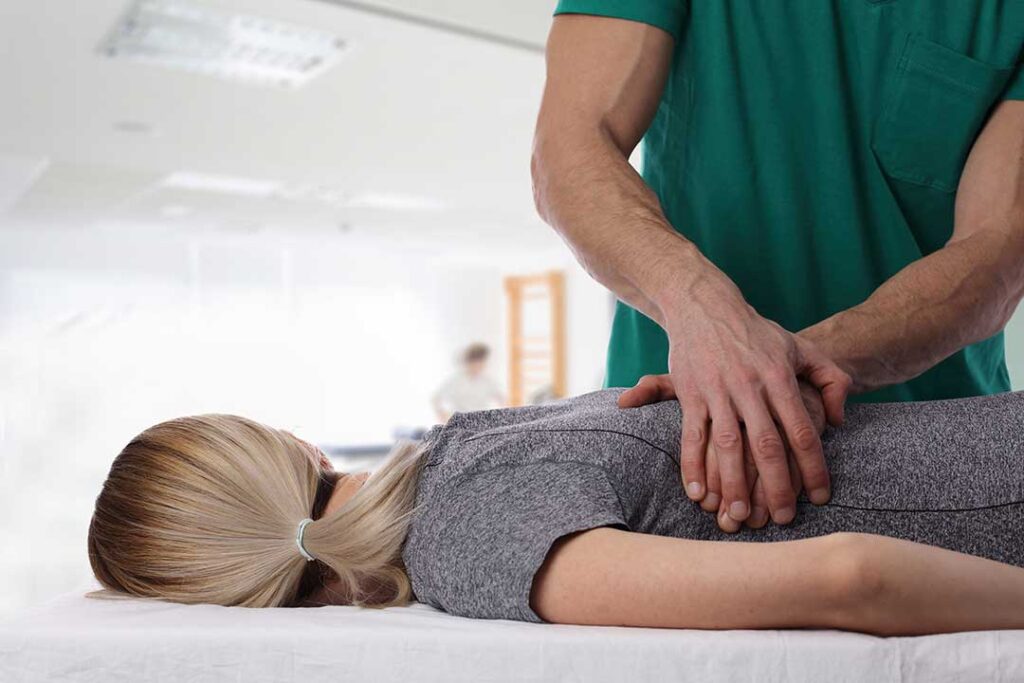
What is the relationship between chiropractic care and physical therapy?
In New Castle, NY, residents may encounter chiropractic care and physical therapy as separate options for back pain, neck discomfort, joint problems, or movement limitations. They overlap in some techniques, but their primary goals and treatment methods are not identical.
Chiropractic care commonly emphasizes assessment of the spine and musculoskeletal system, with treatment that may include manual therapy or spinal manipulation. Physical therapy focuses more broadly on restoring movement, strength, balance, coordination, and function through exercise, education, hands-on techniques, and activity-based rehabilitation. ([nccih.nih.gov](https://www.nccih.nih.gov/health/chiropractic-in-depth?utm_source=openai))
Neither approach is automatically better for every condition. The more useful question is which type of care matches the cause of the problem, the person’s goals, medical history, and tolerance for different treatments.
How do the treatments differ?
The clearest difference is often the balance between hands-on treatment and active rehabilitation.
Chiropractic treatment may include:
- Spinal or joint manipulation
- Mobilization techniques
- Soft-tissue work
- Guidance about posture, movement, and daily activities
- Home exercises in some treatment plans
Physical therapy may include:
- Strengthening and stretching exercises
- Balance and coordination training
- Gait or walking assessment
- Mobility exercises for joints and the spine
- Manual therapy
- Education about safe lifting, sitting, reaching, and returning to activity
These categories are not absolute. Some chiropractors prescribe exercises, and some physical therapists use manual therapy or spinal mobilization. Spinal manipulation itself may be performed by several types of licensed health professionals, including chiropractors and some physical therapists, depending on training, scope of practice, and local regulations. ([files.nccih.nih.gov](https://files.nccih.nih.gov/s3fs-public/Spinal_Manipulation_for_LBP_12-01-2015.pdf?utm_source=openai))
The practical distinction is that physical therapy usually places greater emphasis on progressively changing what the body can do. Chiropractic care may place greater emphasis on manual assessment and treatment of joints and surrounding tissues.
Can chiropractic care and physical therapy be used together?
Yes, they can sometimes be combined, but combining them is not automatically necessary or more effective.
A person with recurring low-back pain, for example, might receive manual treatment to reduce short-term discomfort and then use targeted exercises to improve hip, trunk, or leg strength. Another person may need only one approach, especially if symptoms improve steadily and daily function returns.
Coordination matters when more than one provider is involved. Each provider should know about:
- Recent imaging or diagnoses
- Medications and major health conditions
- Previous injuries or surgeries
- Exercises already assigned
- Changes in pain, numbness, weakness, or balance
Without communication, a person may receive overlapping treatments, conflicting activity advice, or exercises that are too demanding for the current stage of recovery.
Which option may be more appropriate for common problems?
The right choice depends on the pattern of symptoms rather than the label alone.
For uncomplicated low-back pain, both spinal manipulation and structured exercise may provide benefits for some people. Research summarized by the National Center for Complementary and Integrative Health describes spinal manipulation as one nondrug option that may produce modest improvements in pain and function, although the evidence is not uniformly strong. ([nccih.nih.gov](https://www.nccih.nih.gov/health/spinal-manipulation-what-you-need-to-know?utm_source=openai))
Physical therapy may be especially useful when the main concerns include:
- Weakness after an injury or period of inactivity
- Difficulty climbing stairs, walking, or reaching
- Reduced balance
- Recovery after surgery
- Repeated strains linked to movement habits
- A need to return gradually to work, recreation, or household tasks
Chiropractic care may be considered when the primary concern is musculoskeletal pain or restricted joint motion and the person is interested in manual treatment. A careful assessment should come before any manipulation, particularly for neck symptoms or people with conditions that may increase injury risk.
For some residents, seasonal habits can affect symptoms. Winter shoveling, prolonged indoor sitting, home repairs, gardening, and sudden increases in outdoor activity may all expose the back, shoulders, knees, or neck to loads they are not prepared to handle. In those situations, an exercise-based plan may be particularly helpful for rebuilding tolerance, while manual treatment may or may not be useful for short-term symptom relief.
Is physical therapy only for serious injuries?
No. Physical therapy is not limited to postoperative care or major sports injuries.

It may help with persistent stiffness, recurring pain, balance concerns, work-related strain, age-related loss of strength, and difficulty performing ordinary activities. A treatment plan can be adjusted for someone who is deconditioned, living with arthritis, recovering from a fall, or trying to resume household responsibilities gradually.
The emphasis is generally on measurable function. Examples might include walking farther, standing longer, lifting safely, getting up from a chair, or turning the head more comfortably while driving.
Is chiropractic manipulation safe for everyone?
No treatment is risk-free, and spinal manipulation is not appropriate for every person or every symptom.
Mild, temporary effects such as soreness, stiffness, increased discomfort, or headache can occur after manipulation and often resolve within a day. Serious complications have been reported but are considered very rare; risk may be higher when underlying health conditions are present. A thorough health history is therefore essential, including information about bone health, blood-clotting problems, neurological symptoms, recent trauma, and medications. ([nccih.nih.gov](https://www.nccih.nih.gov/health/spinal-manipulation-what-you-need-to-know?utm_source=openai))
People should seek prompt medical evaluation rather than routine musculoskeletal treatment for symptoms such as:
- New loss of bladder or bowel control
- Numbness in the groin or inner thighs
- Progressive weakness in an arm or leg
- Severe pain after a fall or collision
- Fever with significant back pain
- Unexplained weight loss or a history of serious disease
- Sudden severe headache, dizziness, difficulty speaking, or other neurological changes
These warning signs do not identify a specific diagnosis, but they can indicate a need for urgent assessment.
What questions should a resident ask before starting care?
A short discussion can clarify whether the proposed treatment fits the problem.
Useful questions include:
- What is the most likely cause of these symptoms?
- What findings would make this treatment inappropriate?
- What improvement should be expected, and over what time period?
- What exercises or activities should be continued at home?
- How will progress be measured?
- What symptoms should prompt medical reassessment?
- Are there alternatives that do not involve manipulation?
- How will the plan change if symptoms worsen?
A sound plan should explain both the intended benefit and the limits of treatment. Pain relief is useful, but lasting progress is often better judged by improved movement, strength, sleep, work tolerance, and participation in everyday activities.
The practical takeaway
Chiropractic care and physical therapy are related but distinct forms of musculoskeletal care. Chiropractic treatment may center on manual techniques and joint or spinal assessment, while physical therapy generally emphasizes exercise, functional recovery, and progressive self-management.
For many uncomplicated problems, either approach may be reasonable. In other cases, physical therapy, medical evaluation, imaging, or a coordinated combination of care may be more appropriate. The safest choice depends on the diagnosis, warning signs, health history, and whether the treatment plan helps the person function better over time.
