
 See Our Latest Article on HelloNation
Living an active lifestyle in New Castle, NY, means embracing everything from hiking in the Rockefeller State Park Preserve to afternoon pickleball matches at Gedney Park. Amid this movement, you might notice the occasional “pop,” “snap,” or “crack” coming from your knees, fingers, or spine. But what’s actually happening when you crack your joints—and, more importantly, is it safe?
Why Do Our Joints Crack?
We’ve all heard that familiar sound—a knuckle pop, a shoulder click, or the spine gently cracking as you stretch after a long day at the office in nearby White Plains. Scientifically, joint cracking is known as "crepitus." The cracking noise most commonly occurs in synovial joints (like your knuckles, knees, or back). These joints contain synovial fluid, which acts as lubrication and nutrition for the cartilage.
Here’s what happens:
- When you stretch or bend a joint, you create negative pressure within the joint capsule.
- This causes dissolved gases (mainly nitrogen) in the synovial fluid to form bubbles.
- When these bubbles rapidly collapse or “pop,” you hear that familiar cracking sound.
Is Cracking Your Joints Harmful?
One of the most common questions among New Castle residents—especially parents watching their kids crack their knuckles after soccer practice—is whether joint cracking is harmful.
The current consensus, supported by decades of medical research, is that joint cracking itself is not harmful if there is no pain. Multiple studies, including a famous experiment conducted by Dr. Donald Unger who cracked the knuckles on one hand daily for over 60 years and not the other, have shown no increased risk of arthritis or joint damage due to cracking.
However, there are important points to consider:
- Pain is a red flag: If cracking is accompanied by pain, swelling, or discomfort, it could indicate a more serious underlying condition such as ligament injury, arthritis, or inflammation.
- Frequency and habit: Habitual joint cracking in and of itself is generally harmless, but if it becomes compulsive or threatens to interfere with function, it’s worth consulting a professional.
Common Myths About Joint Cracking
Let’s break down some of the most persistent myths that circulate in the community—often shared during post-hike chats or at a local New Castle coffee shop:
- Myth: Cracking your knuckles causes arthritis.
- Fact: Decades of research indicate no clear link between knuckle cracking and joint diseases.
- Myth: The sound is your bones grinding together.
- Fact: The crack comes from gas bubbles forming or collapsing in the synovial fluid—not bones hitting each other.
- Myth: If it feels good, it must be bad.
- Fact: Many people feel a relief or slight “release” following a joint crack because of pressure changes within the joint capsule, nothing more.
When Is Joint Cracking A Cause for Concern?
As you enjoy the active suburban lifestyle that New Castle is known for, it’s important to know when joint cracking deserves further attention:
- The popping is accompanied by pain, swelling, or decreased mobility.
- There’s a previous history of joint dislocation or injury.
- Cracking is associated with locking, catching, or giving way of the joint.
- New noises appear after a traumatic event—like a fall during a winter walk in Chappaqua or a sports mishap at the Saw Mill Club.
In these cases, it’s best to schedule a consultation with your chiropractor or physician—early diagnosis leads to better outcomes.
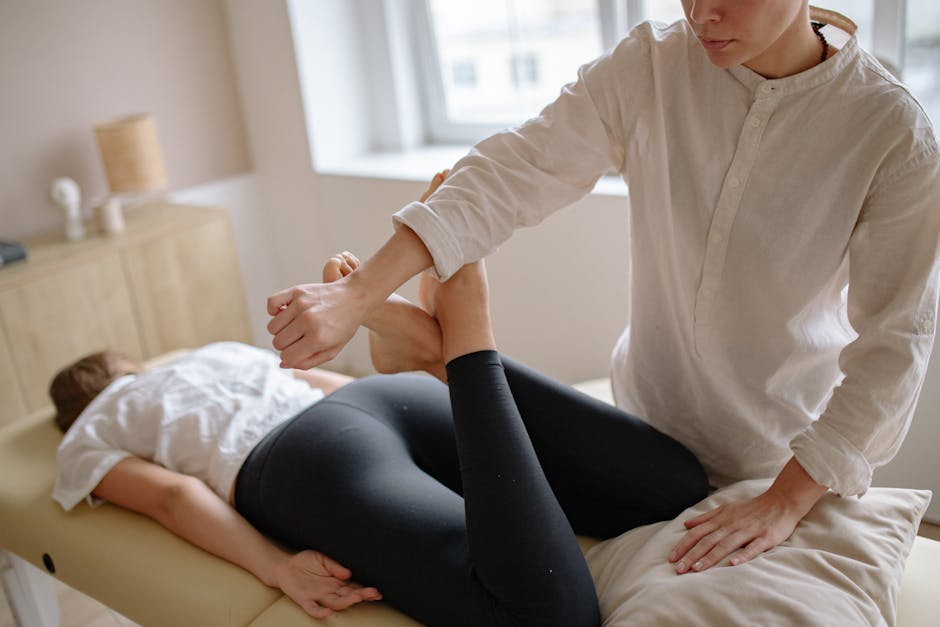
Chiropractic Perspective: Is Professional Joint Manipulation Different?
A question New Castle patients frequently ask is whether “self-cracking” at home is different from seeing a chiropractor for an adjustment. The answer is yes—a professional adjustment uses specific force, direction, and technique based on individualized assessment. The “pop” you may hear during a chiropractic session is similar to what you experience at home, but:
- A licensed chiropractor considers the biomechanics of your entire body.
- The adjustments are precise, aiming to restore proper joint alignment and function.
- Home or random self-cracking, especially of the neck or back, can risk injury or reinforce poor posture.
Daily Tips for Healthy Joints in New Castle
Staying active is crucial for joint health—as is knowing when to get help. Here are practical strategies tailored for the New Castle lifestyle:
- Stay active: Enjoy the local parks, walking trails, or yoga at Town Hall Community Center—regular movement helps lubricate joints.
- Stretch regularly: Incorporate gentle stretching routines to maintain flexibility after long commutes or remote work sessions.
- Watch your posture: Mind your alignment, whether working from a home office or carrying groceries from King’s Scribe.
- Stay hydrated: Adequate hydration helps keep joints lubricated for your daily pursuits.
- Don’t ignore unusual symptoms: If you notice persistent pain, swelling, or joint instability, see a healthcare professional.
Local Resources for Joint Health in New Castle, NY
New Castle boasts walking clubs, yoga studios, and wellness fairs, all focused on keeping the community healthy and active. Many local fitness instructors and healthcare providers (including chiropractors) offer workshops on joint protection and low-impact exercise.
If you’re curious about safe stretching routines or need a personalized assessment, don’t hesitate to reach out to one of New Castle’s many allied health professionals.
Conclusion: Listen to Your Body
Cracking your joints is a normal, generally harmless phenomenon. The “pops” and “clicks” that echo through the yoga studios and hiking trails of New Castle are usually nothing to fear. What matters most is how your joints feel. Tune in to any unusual pain, swelling, or loss of function, and seek professional guidance if something feels off. Stay active, move mindfully, and enjoy all that our vibrant community has to offer.
