
 See Our Latest Article on HelloNation
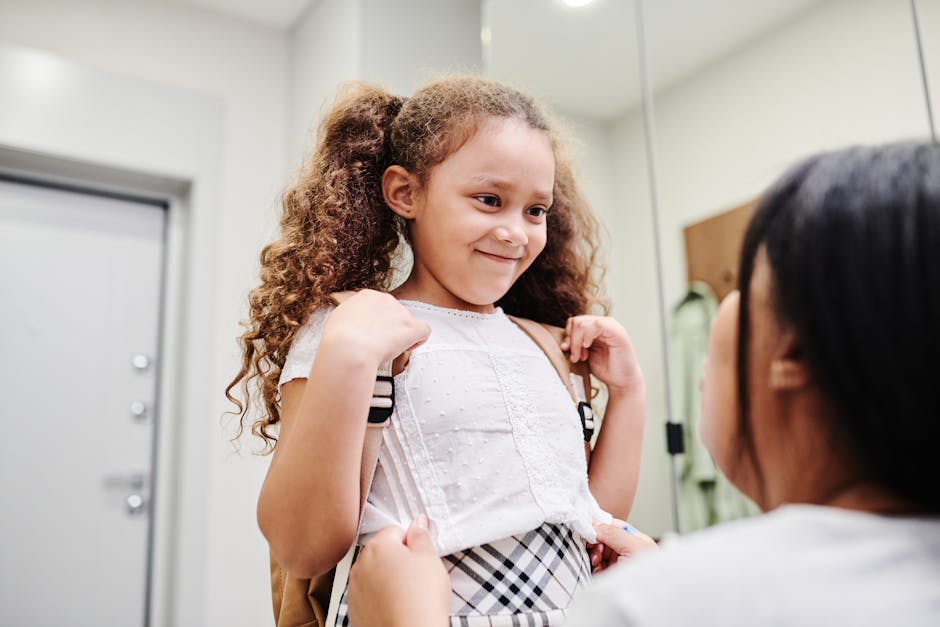
As fall approaches and students in New Castle, NY, return to schools like Horace Greeley High School or the Chappaqua Central School District’s bustling elementary campuses, the sight of kids shouldering bulging backpacks is a common one. Parents often wonder: Is my child’s backpack too heavy? Does the load really impact their health? Understanding how backpack weight impacts children’s health is essential for families eager to keep their little learners safe and thriving, both in and out of the classroom.
Why Backpack Weight Matters for Kids
Children’s bones, muscles, and joints are still developing. Carrying a backpack that is too heavy or improperly fitted can lead to a range of preventable health concerns. From New Castle’s tree-lined neighborhoods to school bus stops, an overloaded backpack can affect a child’s posture, cause persistent pain, and even contribute to long-term musculoskeletal issues.
Common Health Problems Linked to Heavy Backpacks
Heavy backpacks can contribute to several physical issues among schoolchildren, including:
- Back, neck, and shoulder pain: These are the most frequently reported complaints among children who carry overweight backpacks.
- Poor posture: Kids often lean forward or to one side to compensate for a heavy or unsymmetrical load.
- Headaches: Strain on neck and shoulder muscles can lead to tension headaches.
- Nerve compression: Excessive pressure from backpack straps may cause tingling, numbness, or weakness in the arms and hands.
How Heavy Is Too Heavy?
Experts, including the American Chiropractic Association, recommend backpacks weigh no more than 10-15% of a child’s body weight. For example, a 70-pound elementary student’s backpack should ideally be 7-10 pounds at most. However, studies show many children exceed this limit, especially in academically rigorous communities like New Castle.
Parents can use a household scale to check their child’s load, particularly at the start of the school year when books and supplies are often heaviest.
Signs Your Child’s Backpack Is Too Heavy
Some easy-to-spot warning signs that indicate a backpack is too heavy include:
- Struggling to put on or take off the backpack
- Leaning forward while walking
- Red marks on shoulders
- Complaints of lingering back, neck, or shoulder pain
- Frequent headaches after school
- Dragging the backpack or using only one strap
If you notice these signs, it’s essential to intervene early to prevent chronic pain or injury.
Backpack Safety Tips for New Castle Parents
The good news? With mindful habits and a few easy adjustments, parents and caregivers can help students stay healthy throughout the busy school year.
1. Lighten the Load
- Have your child clean out their backpack daily, removing unnecessary items.
- Encourage them to carry only what they need for that day’s classes.
- Use digital textbooks and e-learning platforms when available—something increasingly common in Westchester schools.
2. Choose the Right Backpack
- Always opt for backpacks with two wide, padded shoulder straps.
- A padded back and waist strap distribute weight more evenly.
- Multiple compartments help organize items and balance the load.
- Rolling backpacks can be a good choice for students with long commutes, but remember that stairs and uneven New Castle sidewalks might limit their practicality.
3. Teach Your Child How to Wear a Backpack Properly
- Use both straps—wearing a backpack on one shoulder can strain muscles.
- Adjust straps so the bag fits snugly against the upper back, not slumped down near the waist.
- Heaviest items should be packed closest to the body, with lighter items towards the outside.
- Use all available compartments for better weight distribution.
4. Lead by Example and Stay Engaged
- Model good habits by using ergonomic bags yourself for errands, work, or outdoor activities at Gedney Park or Whippoorwill Park.
- Talk to your child about how their backpack feels each day and check in regularly, especially during periods of heavy homework or sports activity.
Local Schools and Backpack Policies
Many local schools in New Castle encourage practices that help reduce backpack weight. Some classrooms allow students to keep textbooks at school or provide digital access. If you’re concerned about your student’s load, talk to teachers or administration—there may be solutions like library access before/after school, locker breaks, or homework modifications.
When to Seek Professional Help
If your child consistently complains of pain, numbness, or weakness – or if you observe changes in posture that don’t resolve, consult a professional. A local chiropractor, pediatrician, or physical therapist can assess for musculoskeletal issues and recommend corrective strategies tailored to your child’s needs.
Balancing Academics and Health in New Castle, NY
Our community is known for valuing high academic achievement and robust extracurricular participation, sometimes inadvertently increasing the demands placed on our students’ bodies. As we encourage our children to succeed, let’s also prioritize their physical well-being.
Consider organizing or participating in local PTA seminars or health nights focused on backpack safety and ergonomic tips. Working together, New Castle families, educators, and healthcare providers can ensure our kids move through school with strong bodies and healthy habits that last a lifetime.
Final Thoughts
Children’s bodies are resilient, but they’re not invincible. By understanding the risks of heavy backpacks and actively working to limit the load, New Castle parents can help prevent avoidable injuries and set their kids up for healthy growth. A few simple habits can mean less pain, better posture, and more energy for the things that matter most—whether that’s excelling in school, enjoying the outdoors, or spending quality family time.
If you have any concerns about your child’s posture, pain, or general wellness related to backpack use, do not hesitate to reach out to a healthcare professional in the New Castle area.
