
 See Our Latest Article on HelloNation
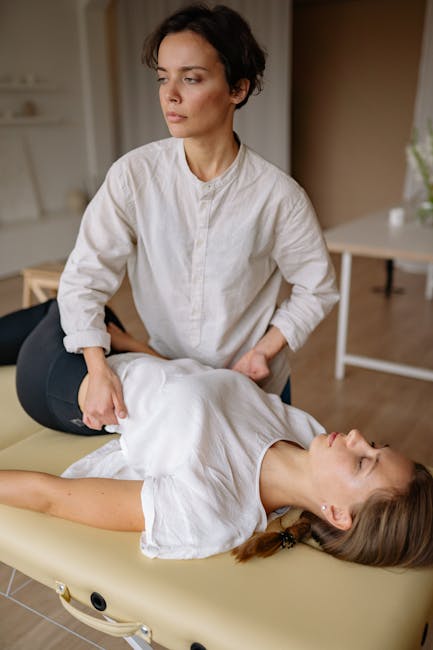
Maintaining good posture is more than just standing tall—it's a foundational aspect of your overall health and wellbeing. In New Castle, NY, where community members juggle busy work schedules, family life, and the recreational pleasures of the Hudson Valley, it's easy to overlook posture. Whether you’re sitting in a home office, driving to Mount Kisco, or enjoying a stroll through Gedney Park, your spinal health plays a silent but crucial role in your day-to-day life. This blog explores how poor posture can have far-reaching consequences, both physically and mentally.
Understanding Posture: The Basics
Good posture involves training your body to stand, walk, and sit so that the least strain is placed on supporting muscles and ligaments. When your posture is correct, your bones and joints are properly aligned, and muscle tension is minimized. On the other hand, poor posture—such as slouching at your desk or craning your neck to look at your phone—disrupts this balance, often without you noticing.
Common Causes of Poor Posture in New Castle
For many in New Castle, lifestyle and work habits significantly influence posture. Common factors include:
- Prolonged sitting at computers or laptops—especially with the rise of remote work
- Frequent use of smartphones and tablets, leading to “tech neck”
- Carrying heavy backpacks or shoulder bags (students and commuters alike)
- Lack of ergonomic furniture in home offices or classrooms
The rolling hills and historic charm of New Castle invite outdoor recreation, but day-to-day routines can still foster habits that undermine postural health.
The Physical Effects of Poor Posture
Poor posture doesn’t just make you look tired or unconfident. Over time, it can lead to a host of physical health problems:
1. Back and Neck Pain
Slouching increases pressure on your lower back and neck. Recurring stiffness or pain in these regions is one of the earliest signs of postural issues. Left unchecked, misalignment can contribute to more severe conditions such as herniated discs or degenerative joint disease—outcomes that often require professional intervention.
2. Headaches
Forward head posture (where your head juts out from your shoulders) places strain on the upper back and neck muscles. This tension frequently results in cervicogenic headaches, which may be mistaken for migraines but are rooted in spinal misalignment.
3. Reduced Flexibility and Mobility
Years of poor posture can cause muscles to shorten or weaken, decreasing flexibility. If you find it increasingly difficult to look over your shoulder or participate in favorite local activities like hiking the Croton Gorge Park trails, posture may be the culprit.
4. Breathing Issues
Slumped posture compresses the chest cavity, limiting the lungs’ ability to fully expand. This means less oxygen circulating through your body, potentially leading to fatigue and decreased mental clarity.
5. Digestive Problems
Surprisingly, poor posture can also compress abdominal organs, contributing to digestive issues such as acid reflux or constipation—problems that become more noticeable with sedentary routines.
The Mental and Emotional Impact of Poor Posture
Health isn’t just physical; mental wellness matters, too. Studies show that posture affects mood, confidence, and stress levels. Slouching or hunching has been linked to increased feelings of depression and anxiety. In contrast, upright posture supports greater focus, energy, and resilience—qualities essential for thriving amid the demands of work, school, and family life in New Castle.
How to Recognize Poor Posture in Yourself
If you live or work in New Castle, it might be worth reflecting on daily habits that could be affecting your posture. Ask yourself:
- Are your shoulders rounded forward or hunched?
- Do you catch yourself craning your neck to look at screens?
- Is your lower back supported when you sit for extended periods?
Evaluating and adjusting your posture can be the first step to better spinal health.
Practical Tips for Improving Posture in Everyday Life
Small, consistent changes can make a big difference. Here’s how you can integrate postural health into your New Castle routine:
- Set Up an Ergonomic Workspace: Adjust your chair, desktop, and keyboard to reduce neck and back strain. Consider investing in a standing desk.
- Monitor Screen Time: Take frequent breaks from phones and tablets to avoid tech neck.
- Move Regularly: Set reminders to stand, stretch, or take a short walk—explore local trails or parks if possible!
- Strengthen Core Muscles: Core strength supports your spine. Activities like yoga or Pilates (available in many New Castle studios) can be helpful.
- Wear Supportive Footwear: Proper support helps maintain alignment from the ground up, especially if your daily routine includes walking around town.
- Consult a Professional: A chiropractor or physical therapist can evaluate and address postural issues before they lead to chronic pain.
When to Seek Help
If you’ve made changes but still struggle with pain or discomfort, it might be time to seek professional advice. Chiropractic care can help restore proper alignment, alleviate symptoms, and prevent further injury. Remember, good posture isn’t about perfection; it’s about making mindful choices for a healthier, more active life.
Living Well in New Castle: Make Posture a Priority
From family outings at Chappaqua Crossing to quiet afternoons reading at the library, life in New Castle offers a blend of activity and relaxation. Wherever your day takes you, attending to your posture can help you enjoy it to the fullest.
Whether you are commuting, working, or enjoying the vibrant community events, good posture ensures your body stays resilient—allowing you to participate fully in everything New Castle has to offer. Make posture a conscious habit, and experience a positive shift in comfort, movement, and overall wellness.
